How to Pick Energy Efficiency Solutions for Your Home
Choosing the right energy efficiency solutions for a home on Sydney's North Shore involves more than buying the most popular product. Suburbs from Chatswood and Lane Cove to Pymble, Turramurra, Mosman and Manly have a mix of heritage homes, mid-century brick houses, modern builds and tree-lined streets. Each setting brings different demands. This guide explains how to assess your home, prioritise upgrades, and choose solutions that lower bills and protect your property for the long term.
Start With an Assessment of Your Home
The best energy efficiency solutions begin with understanding where your home currently loses or wastes energy. Before spending on any upgrade, gather information about how your household uses power and how your building performs.
Review Your Energy Bills
Look at 12 months of electricity and gas bills. Check for seasonal peaks, since high summer usage often points to cooling demands and poor roof insulation, while winter spikes may indicate heating losses through windows, floors and walls. Many Sydney retailers provide online usage dashboards or smart meter data that show consumption by time of day, which helps when sizing solar and battery systems.
Inspect the Building Envelope
Building envelope protection is the foundation of any energy efficiency plan. The envelope includes the roof, walls, windows, doors and floors that separate indoor conditioned space from the outdoors. Gaps, poor insulation and deteriorating roof surfaces all force heating and cooling systems to work harder. A walk-around inspection should look for:
- Ceiling insulation that is thin, compacted or missing in sections
- Gaps around doors, windows and exhaust fans
- Single-glazed windows with no external shading
- Dark, dirty or moss-covered roof surfaces that absorb extra heat
- Blocked gutters or damaged downspouts that let water reach walls and foundations
- Signs of damp, mould or peeling paint on exterior walls and eaves
Compare the Main Categories of Energy Efficiency Solutions
Comprehensive energy solutions typically combine several measures. Understanding each category helps you decide what to tackle first and what can wait.
Insulation and Air Sealing
Ceiling insulation is usually the most cost-effective upgrade for older North Shore homes. Wall insulation, underfloor insulation and draught sealing add further gains. In Sydney's temperate climate, both heat gain in summer and heat loss in winter matter, so look for products with appropriate R-values for your climate zone and roof type.
Efficient Heating, Cooling and Hot Water
Reverse-cycle air conditioners and heat pump hot water systems use significantly less energy than older resistive electric systems. When comparing models, check the star ratings and the zoned operation options. Replacing an old electric storage hot water system with a heat pump is one https://roofcleaningnorthshore.com.au/contact/ of the more common upgrades for households that want to reduce running costs and cut emissions.
Lighting and Appliances
LED lighting, efficient refrigerators and smart power boards are low-cost improvements. Energy rating labels allow you to compare running costs between models before you buy.
Solar and Alternative Energy Sources
Solar remains the leading alternative energy source for Australian homes. Modern photovoltaic systems use advanced solar technology to handle electrical energy conversion, turning sunlight into usable household electricity through an inverter. Choosing between system types and sizes depends on your roof, your usage pattern and your budget.
Understanding Solar Options for North Shore Homes
Solar is often the centrepiece of clean energy technology upgrades, but a good result depends on careful planning and quality installation.
Grid-Tied Solar Panels
Grid-tied solar panels are the most common choice in Sydney. They remain connected to the electricity network, so your home draws grid power when the panels are not producing, and exports surplus energy when production exceeds demand. Grid-tied systems are generally less expensive than off-grid systems because they do not require large battery banks. Adding a battery is possible now or later, and many installers design systems to be battery-ready.
Custom Solar Solutions for Tricky Roofs
Tree cover is a defining feature of many North Shore suburbs, and shading can cut solar output significantly. Steep pitches, multiple roof planes, heritage overlays and complex rooflines may also call for custom solar solutions. Options include panel-level optimisers, micro-inverters, and carefully chosen panel placement across several roof faces. A reputable provider of comprehensive solar solutions will carry out a shading analysis and explain expected annual production before you sign.
Commercial Solar Panels
Businesses along the Pacific Highway, in Chatswood, St Leonards, Artarmon and Brookvale often have large, flat roof areas well suited to commercial solar panels. Commercial systems can offset daytime power use, which tends to align well with business operating hours. Property managers and owners should consider roof condition, structural capacity, maintenance access and network connection requirements before installation.
What to Look For in a Solar Provider
Expert solar panel services should include a site assessment, a clear written quote, and transparent information about panel and inverter brands, warranties and monitoring. Check that installers hold current Clean Energy Council accreditation and that products meet Australian standards. Advanced solar services also include ongoing system monitoring, performance checks and support after installation.
Prepare the Roof Before Making Upgrades
A roof is the platform for solar panels and your first line of defence against heat and weather. Preparing it properly improves both energy performance and the lifespan of any equipment mounted on it.
Why Roof Condition Matters
Moss, lichen, algae and accumulated debris trap moisture and can degrade roofing materials over time. Dark stains and heavy build-up can also affect how a roof absorbs and reflects heat. Before installing solar, it is wise to arrange for expert roof cleaning and a roof inspection so that cracked tiles, loose fixings and worn flashing are identified and fixed first. Repairing a roof after panels are installed can be costly because the panels must be removed and reinstalled.
Roof Cleaning Options
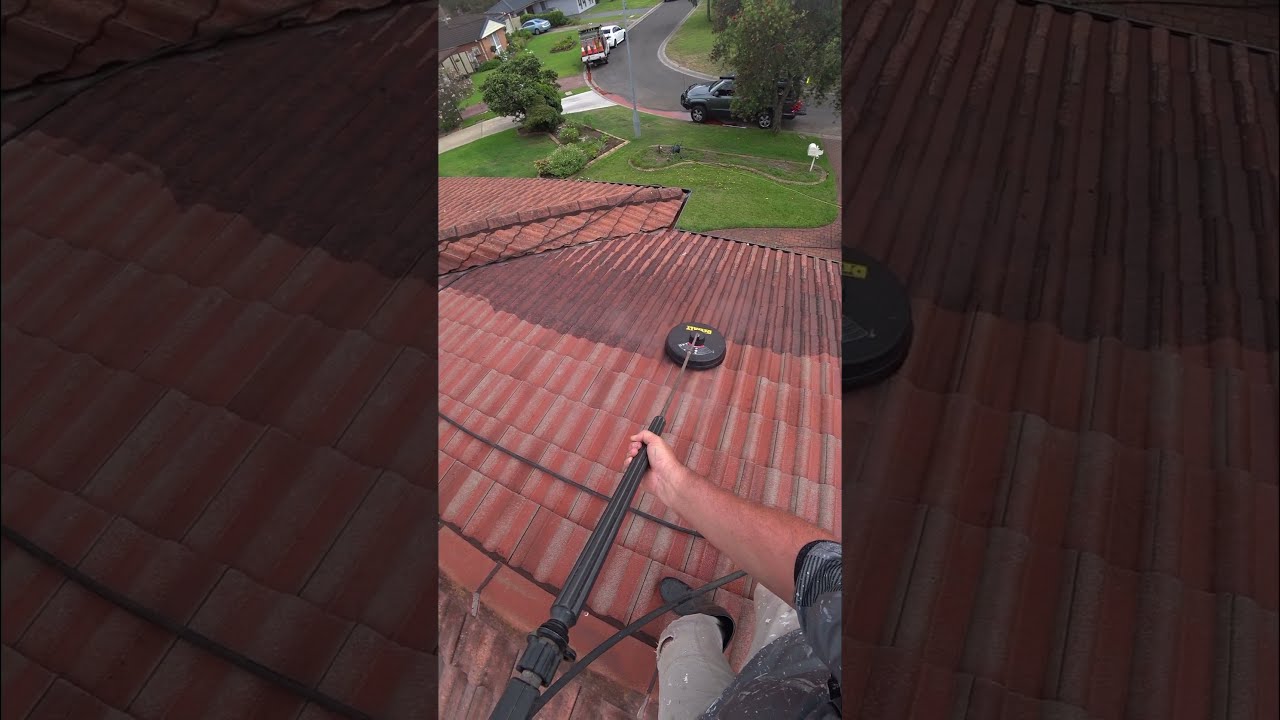
Certified roof cleaning professionals use methods appropriate to the roofing material. Comprehensive roof cleaning for tile, concrete and metal roofs typically involves low-pressure washing, biocide treatment and careful rinsing to avoid damaging surfaces. For metal roofs, colorbond roof cleaning requires gentle techniques that preserve the protective coating. Eco-friendly roof cleaning uses biodegradable treatments and controlled water runoff, which matters in suburbs close to bushland, creeks and Sydney Harbour. Advanced roof cleaning also covers exterior roof washing, exterior home washing for walls and eaves, and treatment to slow regrowth.
Commercial roof cleaning is equally important for larger buildings. Clean surfaces help maintain drainage performance, support inspection of membranes and sheeting, and prepare roofs for commercial solar installation.
Manage Water to Protect Your Investment
Energy efficiency and water management are closely linked. Water that is not properly directed away from a building can damage insulation, rot timber, corrode metal, undermine foundations and create damp conditions that reduce thermal performance. Good exterior water management protects the building envelope and the efficiency gains you have paid for.
Gutters and Downspouts
Tree-lined North Shore streets mean gutters often fill with leaves, seeds and bark. Regular gutter cleaning and gutter maintenance help prevent overflow, which can soak eaves, fascias and walls. Where blockages, rust or sagging are found, timely gutter repair, gutter downspout repair or gutter system repair avoids bigger expenses later. Aluminum gutter repair is common on newer homes, while older properties may need full gutter replacement or new gutter installation if sections have corroded or lost their fall.
Choosing Gutter Materials and Systems
Expert gutter installation should match the profile and material to your roof, your climate and your home's style. Colorbond steel and aluminium are popular for durability and low maintenance. Copper gutter installation suits heritage and premium homes where appearance and longevity are priorities. Commercial gutter services are designed for higher flow volumes, larger roof catchments and access requirements of commercial and strata buildings.
Gutter Protection
Advanced gutter protection reduces blockages and the frequency of cleaning. Gutter guard installation can be valuable for homes surrounded by established trees, but it should be selected with care. Not all products suit all roof types or leaf varieties, and in bushfire-prone areas, products must be suitable for ember protection. Gutter protection does not remove the need for periodic inspection, so keep gutter maintenance on your annual checklist.
Drainage Beyond the Gutter
Comprehensive drainage solutions extend beyond the gutter line. Downpipes should discharge to stormwater connections, tanks or suitable dispersal areas. Foundation water diversion, such as grading, agricultural drainage and properly connected stormwater lines, keeps water away from footings and subfloor spaces. This is especially relevant on sloping North Shore blocks where runoff can concentrate against walls. Exterior moisture control reduces the risk of damp, mould and structural movement, all of which can undermine home exterior protection and energy performance.
Custom Metal Work for Efficient, Durable Exteriors
Many energy and weatherproofing upgrades rely on precisely made metal components, from flashings and rainheads to solar mounting brackets, custom gutter profiles and roof ventilation parts. Custom metal fabrication allows these items to be made to suit a particular roof or heritage detail, rather than forcing a standard part to fit. Providers of comprehensive metal services may offer CNC metal cutting for accurate, repeatable parts, along with custom metal engineering for unusual structural or architectural needs. Expert metal manufacturing and advanced metal production methods help ensure consistent quality, corrosion resistance and clean finishes. When choosing a supplier, ask about material grades, coatings, tolerances and whether parts are made for Australian conditions, including coastal exposure on harbour and beachside properties.
A Step-by-Step Approach to Choosing Solutions
With so many options, a structured approach keeps decisions practical and affordable.
- Define your goals. Decide whether your priority is lower bills, greater comfort, reduced emissions, protecting an older home or preparing a property for sale.
- Audit the home. Review bills, inspect insulation, windows, roof, gutters and drainage, and consider a professional energy assessment.
- Fix the fundamentals first. Address insulation, air leaks, roof condition and water management before adding new equipment.
- Select efficient appliances and systems. Replace ageing hot water, heating and cooling equipment with high-rated models.
- Plan solar and storage. Size the system to your usage, check shading and roof condition, and consider whether a battery suits your goals.
- Compare quotes. Request itemised written quotes from licensed, insured and accredited providers, and compare warranties and aftercare.
- Schedule maintenance. Plan regular gutter cleaning, roof checks and solar system inspections so performance stays strong over time.
Rebates, Regulations and Approvals in 2026
Government programs and incentives for energy upgrades change regularly, so check current details before committing. In 2026, households in New South Wales may be able to access federal incentives such as small-scale renewable energy certificates for eligible solar systems, state-based programs for efficient appliances and hot water, and Cheaper Home Batteries support where eligibility criteria are met. Always confirm current rules with official sources such as the NSW Government and the Clean Energy Regulator.
Local councils on the North Shore may also apply planning controls to heritage conservation areas, tree preservation and some exterior alterations. Solar panels are often exempt or complying development in many cases, but properties in heritage areas can face extra conditions. Check with your council and, if you live in a strata complex, with your owners corporation. Bushfire-prone areas such as parts of Turramurra, Wahroonga and Pymble also have specific standards for roofing, gutter guards and materials.
Questions to Ask Before You Hire
The quality of installation affects the performance of every energy efficiency solution. Before engaging a provider, consider asking:
- Are you licensed and insured for this type of work in NSW?
- Do you hold relevant accreditations, such as Clean Energy Council accreditation for solar?
- Can you provide references or examples of similar local projects?
- What warranties apply to products and workmanship?
- How will you protect my roof, gutters and landscaping during the work?
- What ongoing maintenance and support do you offer?
Looking Ahead to 2027 and Beyond
Green energy technology continues to develop quickly. Looking toward 2027 and beyond, households can expect improvements in battery affordability, smarter home energy management, vehicle-to-home charging, and more efficient solar panels. Tighter efficiency expectations for new and renovated buildings are also likely to shape what buyers and tenants look for. Choosing flexible, well-installed systems now, such as battery-ready solar and a well-maintained roof and drainage system, makes future upgrades easier and more cost-effective.
Conclusion
Picking the right energy efficiency solutions means looking at the whole home. Start by understanding how your property uses energy, strengthen the building envelope, prepare and maintain the roof, manage water carefully, and then invest in efficient appliances and solar technology that suit your site. For North Shore homeowners, factors like tree cover, heritage features, coastal exposure and bushfire considerations make local expertise especially valuable. By working through the steps above and choosing qualified providers, you can build a comfortable, durable and energy-smart home that performs well for years to come.

North Shore Roof Cleaning Pros
5/14 Starkey St, Forestville NSW 2087, Australia
(02) 5839 5963